Choosing a wedding cake is rarely straightforward. The style options are broad, the terminology is not always consistent, and what looks right on a mood board does not always translate to what works in the room on the day. For couples considering tiered wedding cakes in London, the decision involves more than just the number of tiers — the finish, the decoration, and the overall aesthetic all need to be considered together.
This guide walks through the main styles available, what each one looks like in practice, and which settings and briefs they suit best.
Classic
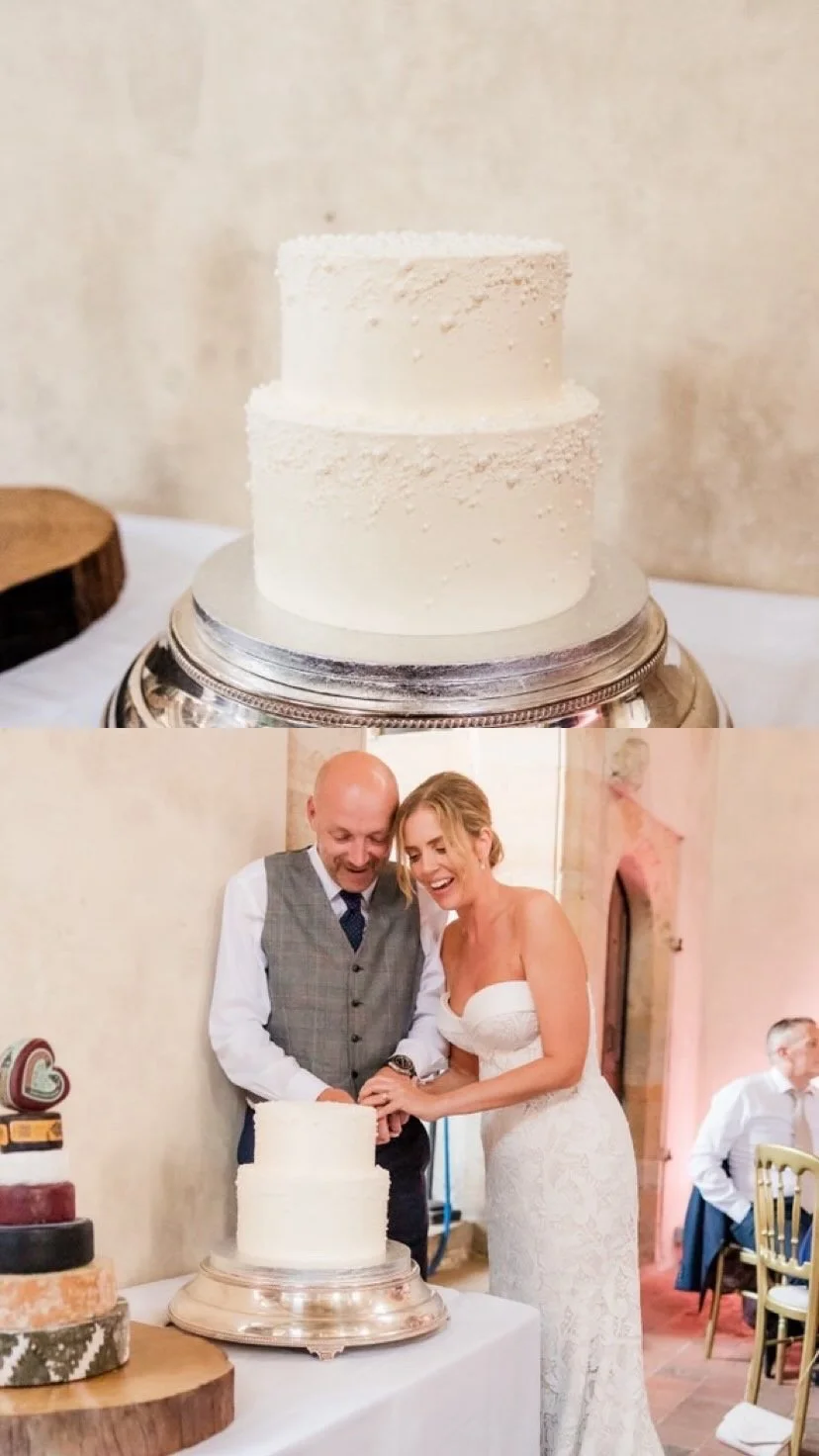
A Classic tiered wedding cake has a smooth, precisely finished buttercream surface with clean edges and flat sides. There is no texture, no exposed sponge, and no elaborate piping — just a clean, even finish that serves as a foundation for whatever decoration is placed on top.
This style suits couples who want the decoration to lead. Edible gold leaf, fresh flowers, pressed botanicals, and hand-piped monograms all read clearly against a smooth surface. It is also the most reliable style for colour accuracy — where a specific shade matters, a Classic finish delivers it most consistently.
Classic tiered wedding cakes suit formal venues, minimalist briefs, and couples who want a cake that photographs cleanly from every angle.
Minimal
The Minimal style takes restraint further. The emphasis is on proportion, clean lines, and deliberate negative space. Decoration is used sparingly — a single botanical element, a subtle texture on one tier, or a carefully placed sugar flower rather than a full arrangement.
This style works particularly well for contemporary venues — converted industrial spaces, modern art galleries, rooftop settings — where the surrounding environment is already visually strong and the cake needs to sit within it rather than compete with it.
Textured
A Textured finish introduces movement to the buttercream surface. Palette-knife marks, organic swirls, and pressed impressions give the cake a handmade, crafted quality that smooth finishes do not.
This is one of the most versatile styles in the range. It works at both ends of the formality scale — refined enough for a traditional venue when kept in pale tones, warm and approachable for a barn or outdoor ceremony when combined with fresh florals and natural elements.
Textured tiered wedding cakes photograph well in natural light and suit couples who want something that feels personal rather than formal.
Semi Naked
A Semi Naked cake has buttercream applied and then partially removed, leaving the sponge visible through a thin, translucent layer. The result is relaxed and organic — a very different character from a fully covered finish.
This style suits outdoor and rural settings particularly well — barn venues, country houses, and garden ceremonies where the natural surroundings are part of the aesthetic. It works less well in highly formal settings, where it can read as underdressed relative to the wider occasion.
Semi Naked tiered wedding cakes are best kept simple in their decoration — fresh flowers, fresh berries, and organic greenery sit more naturally with this finish than metallic elements or structured piping.
Floral
The Floral style centres decoration around flowers — either fresh flowers placed at presentation, or sugar flowers incorporated into the design. The flowers are not an afterthought; they are the primary visual element, and the buttercream finish exists to support them.
This style offers significant flexibility. A restrained floral design with a single bloom per tier creates something quiet and elegant; a full arrangement cascading across a three-tier structure creates something altogether more dramatic. The choice of flower — rose, peony, ranunculus, seasonal botanical — shapes the character of the finished cake more than any other single decision.
Couples choosing a Floral tiered wedding cake should coordinate closely with their florist, since the cake florals and table arrangements read most coherently when they are decided as part of the same conversation.
Vintage / Lambeth
The Vintage/Lambeth style takes its name from the traditional piping technique developed in the mid-twentieth century. It involves hand-piped scrollwork, raised borders, and intricate decorative detailing built up on the surface of the cake in buttercream.
This is the most elaborate style in the range and suits occasions where the aesthetic leans formal, heritage, or grand. A Vintage/Lambeth tiered wedding cake in ivory or champagne buttercream is a statement piece — the kind of cake that becomes a talking point in its own right.
It is also one of the most labour-intensive styles to produce, and the skill involved is visible in the finished result. Couples drawn to this style will find more on what it involves in our Vintage/Lambeth wedding cake guide.
Choosing Between Styles
The right style is determined by the venue, the wider visual brief, and the couple’s own aesthetic. A few useful questions:
Does the setting lean formal or relaxed? Classic and Vintage/Lambeth suit formal occasions; Semi Naked and Textured work better in relaxed ones.
Is decoration important, or should the finish speak for itself? A Classic base supports decoration well; a Minimal style is better where restraint is the point.
What is the photography context? Smooth finishes and strong colours read clearly in flash photography; Textured and Semi Naked finishes often look better in natural light.
For couples who want to see how different finishes look in practice before making a decision, a consultation with Em Cakes is the natural next step.